Spongy Moth
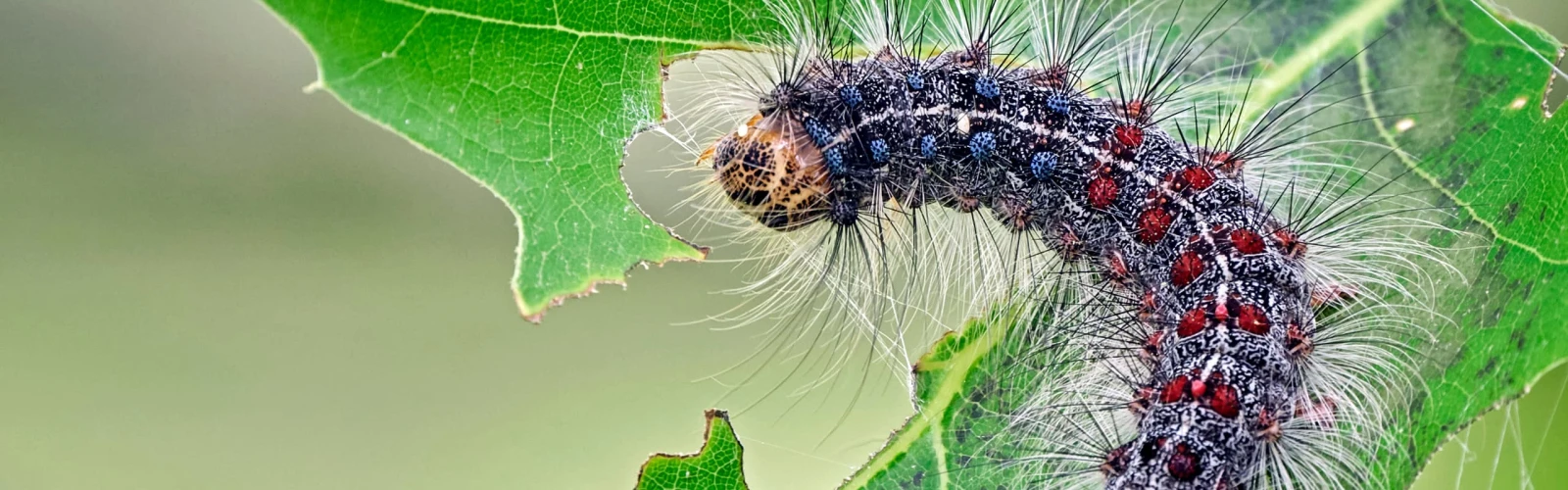
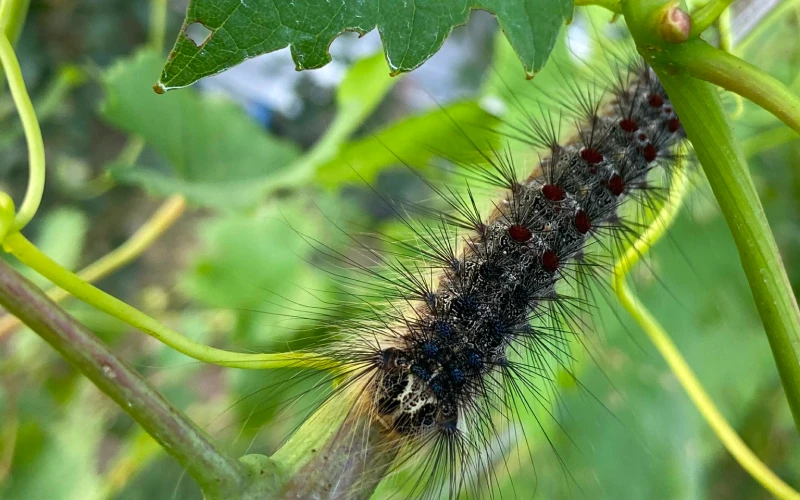
Spongy moths are a species of European moth that has devastating impacts on forests. They feed on the leaves of a wide range of host trees, including oak, willow, birch, and maple.1,2,3 Spongy moth larvae (caterpillars) are dark coloured and hairy, with a distinct double row of five pairs of blue spots, and double row of six pairs of red spots, down its back.
Oak Wilt
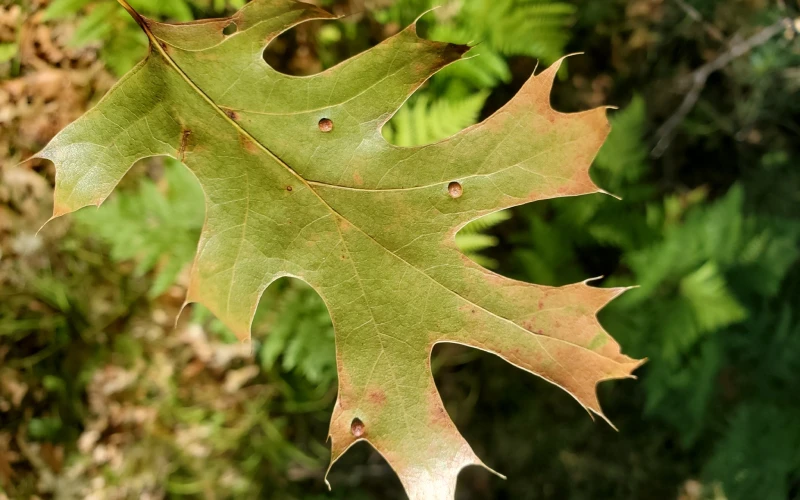
Oak Wilt is a fatal vascular disease of oak trees caused by the fungus Bretziella fagacearum.This fungus infects the xylem (water-conducting tissues), obstructing the flow of water and nutrients which causes leaves to become discolored and wilt rapidly, eventually leading to the tree's death.
Potato Wart
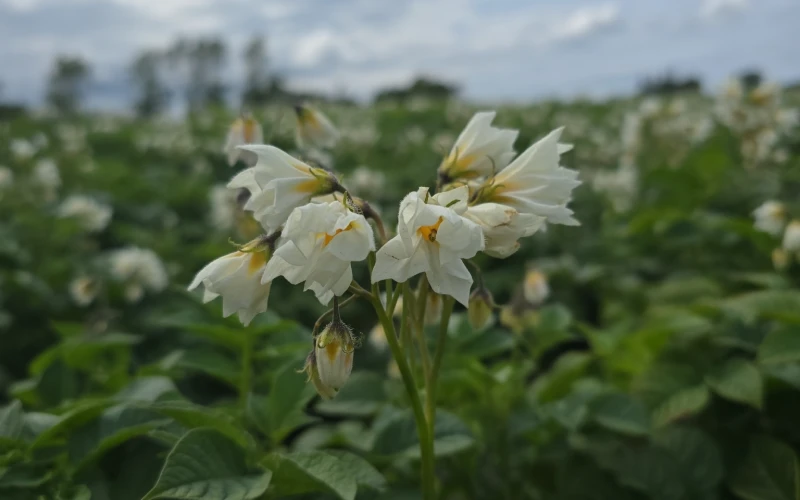
Potato wart is a soil-borne fungal disease that deforms potato tubers by causing abnormal growths, or warts, which can severely reduce crop yields. This fungus does not pose a risk to human or animal health but has considerable economic implications for potato growers due to the damage it causes to the potatoes, making them unmarketable.
Dog-Strangling Vine
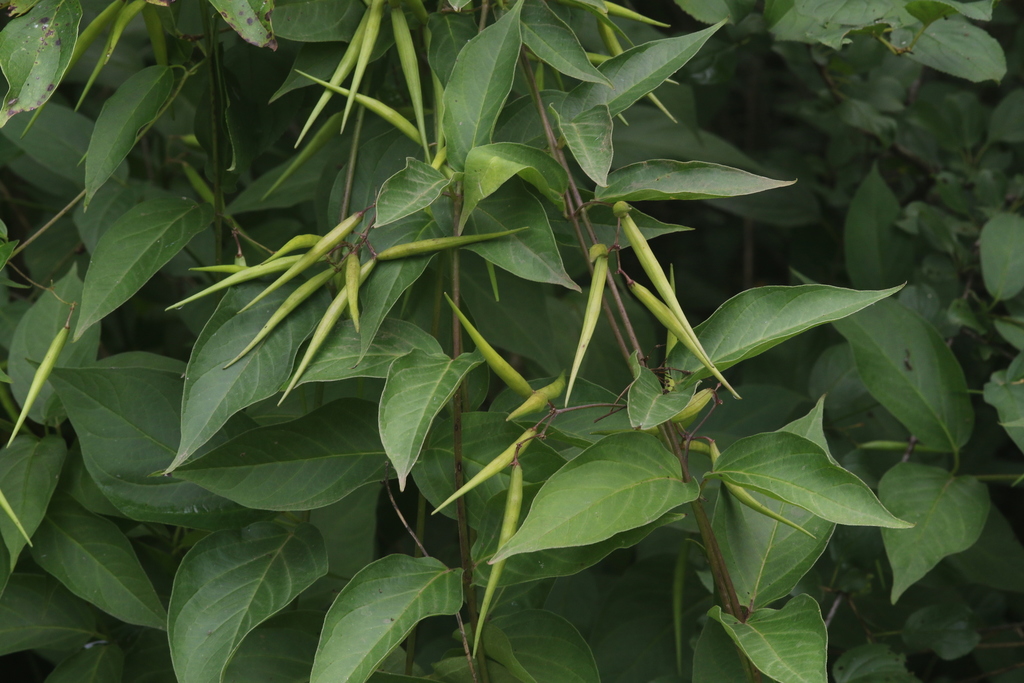
Dog-strangling vine (Vincetoxicum rossicum) is an invasive perennial vine native to eastern Europe that was introduced to North America as an ornamental plant in the late 1800s. It grows rapidly in a variety of habitats, forming dense mats that can outcompete native vegetation and alter wildlife habitat.
Common Buckthorn
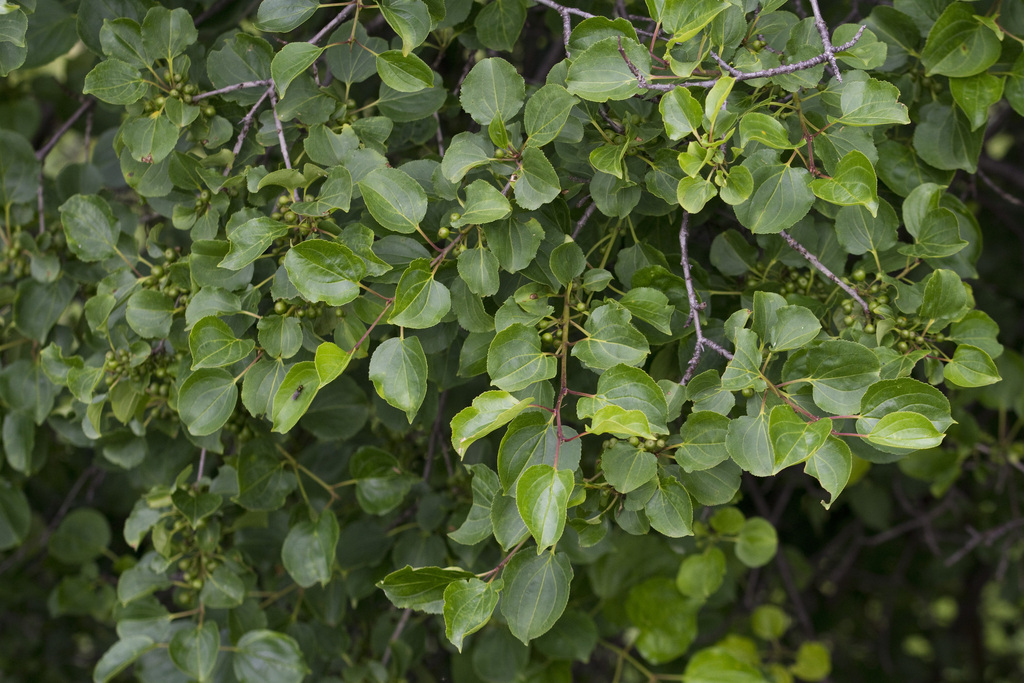
Common buckthorn (Rhamnus cathartica) is an invasive shrub or small tree native to Europe and northwestern Asia that was introduced to North America in the 1800s. It thrives in a variety of habitats and can form dense thickets that crowd out native vegetation and prevent the natural regeneration of forests.
Eurasian Water-Milfoil
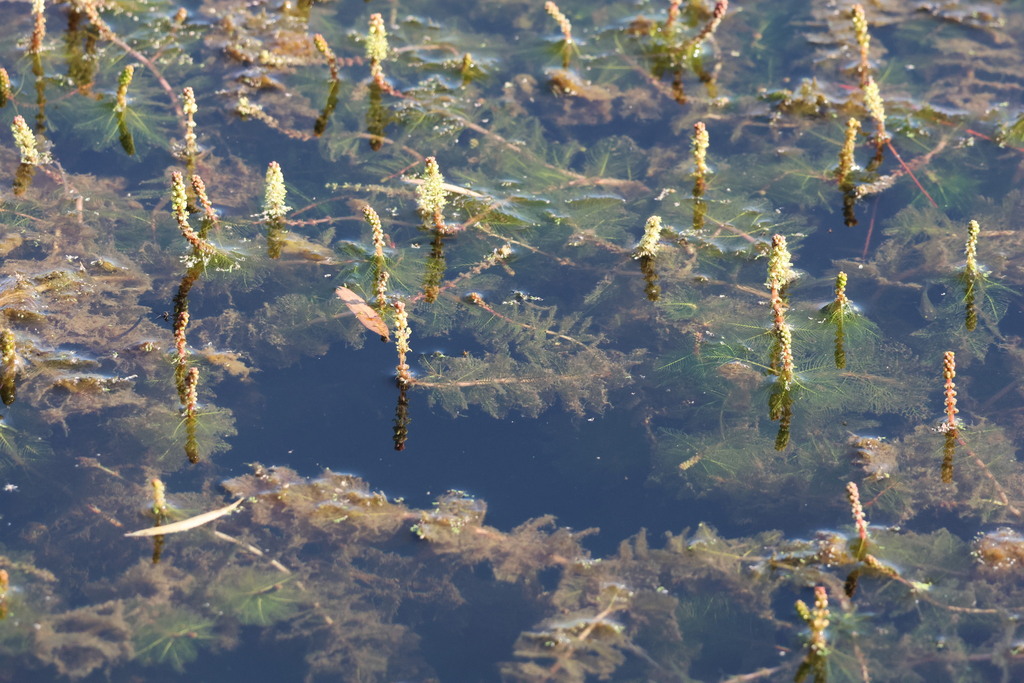
Eurasian water-milfoil (Myriophyllum spicatum) is an invasive aquatic plant native to Eurasia and North Africa that was first recorded in Canada in 1961. It grows below the water’s surface and can form dense mats that crowd out native aquatic plants, alter fish and wildlife habitat, and interfere with recreational activities.
Garlic Mustard
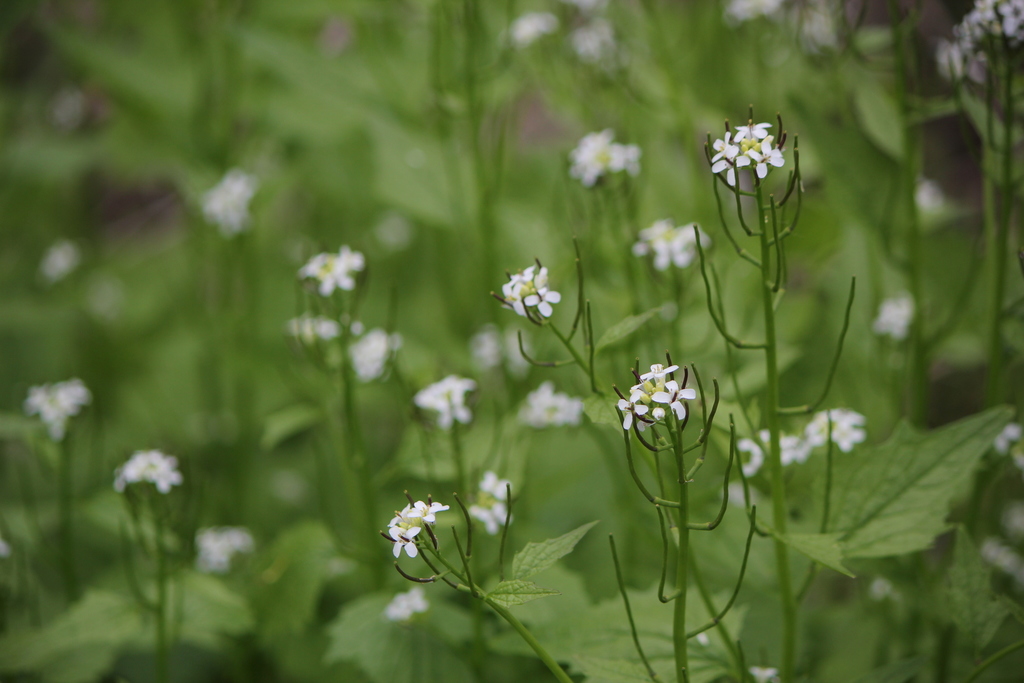
Garlic mustard (Alliaria petiolata) is an invasive biennial plant native to Europe that was introduced to North America in the 1800s as an edible herb and medicinal plant. It can form dense populations in forests and other natural areas, where it crowds out native vegetation, including species at risk.