Aquatic
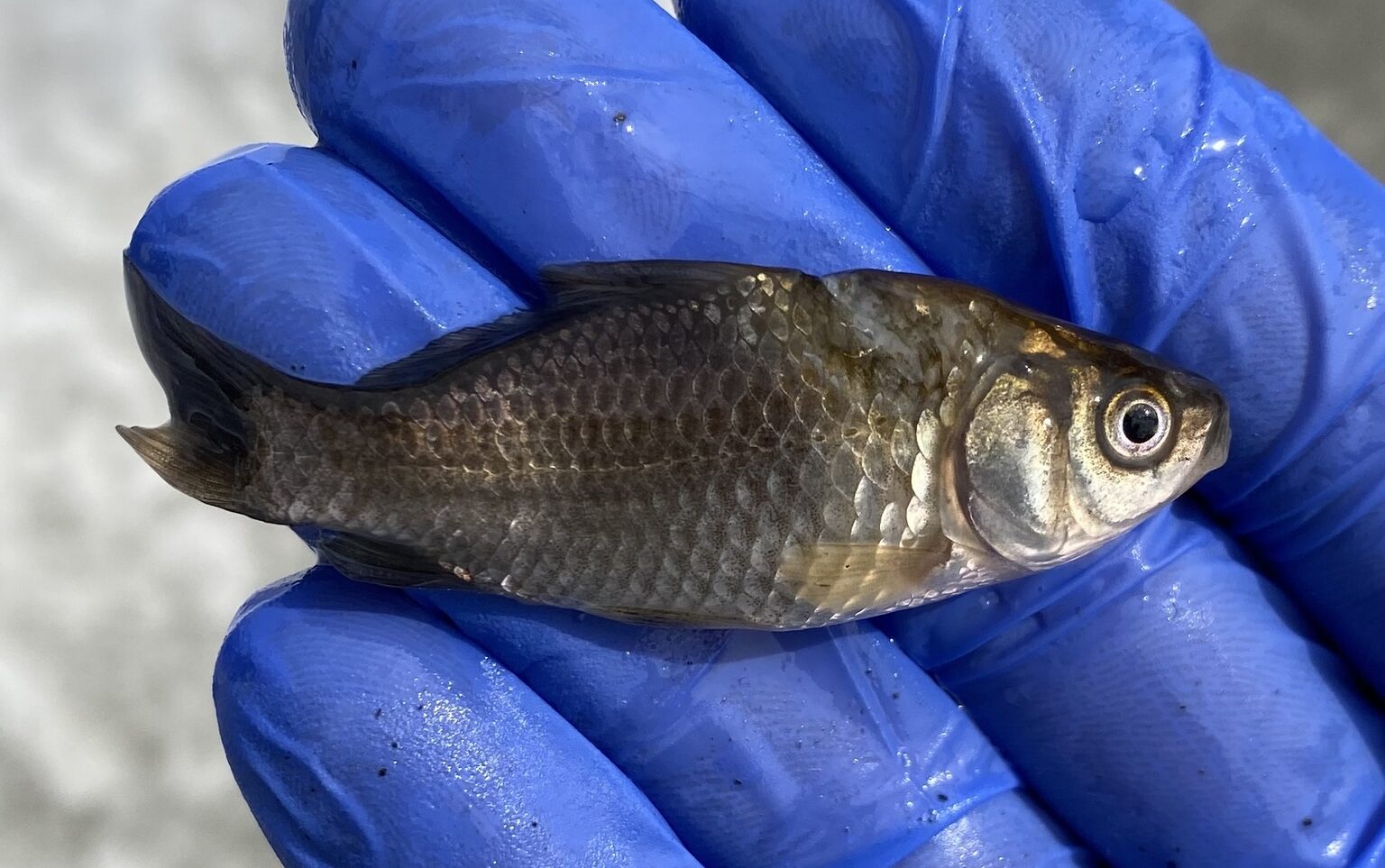
Goldfish
Goldfish, a seemingly harmless pet from eastern Asia, has become one of the most widespread invasive fish species in North America. Due to their popularity as a pet species and adaptability to various environmental conditions, they have established populations in numerous water bodies across Canada and the United States.
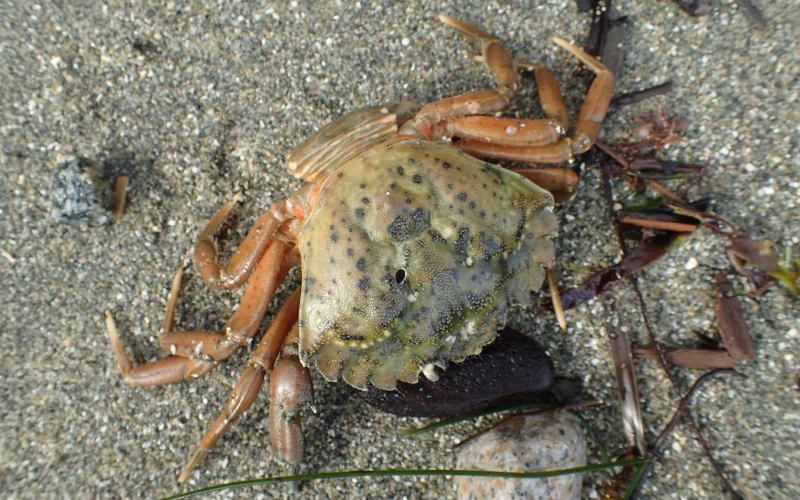
European Green Crab
The European Green Crab is a small, highly adaptable, and aggressive marine crustacean. It is identifiable by its serrated, pentagon-shaped shell, distinct spines near the eyes, and different-sized front claws. It can grow up to ten centimeters and exhibits colors ranging from green to red or yellow.
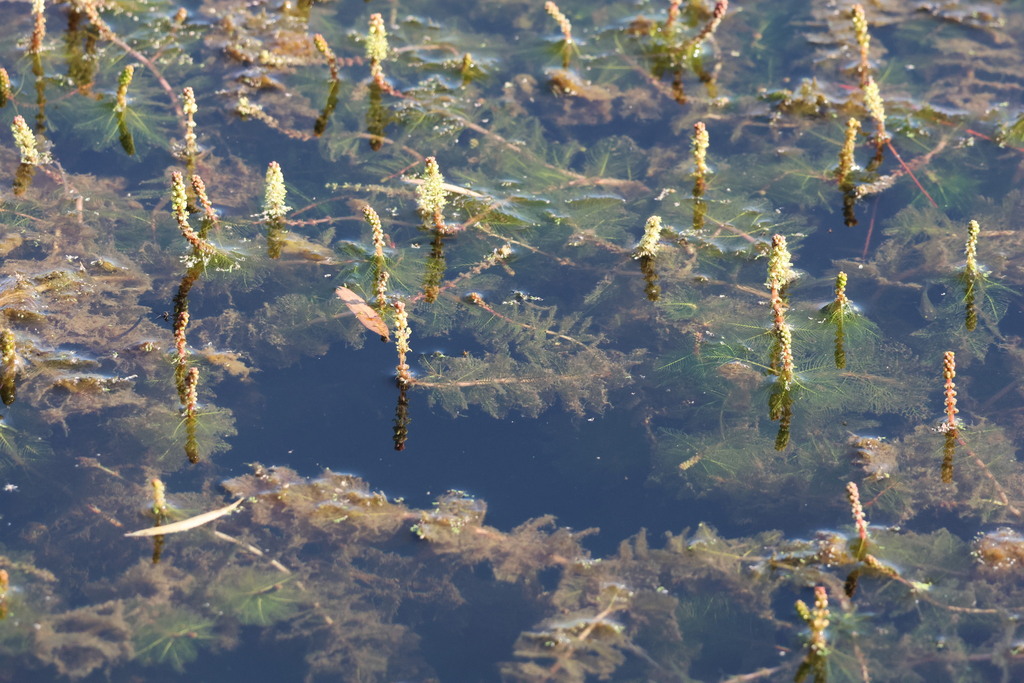
Eurasian Water-Milfoil
Eurasian water-milfoil (Myriophyllum spicatum) is an invasive aquatic plant native to Eurasia and North Africa that was first recorded in Canada in 1961. It grows below the water’s surface and can form dense mats that crowd out native aquatic plants, alter fish and wildlife habitat, and interfere with recreational activities.