
Agriculture
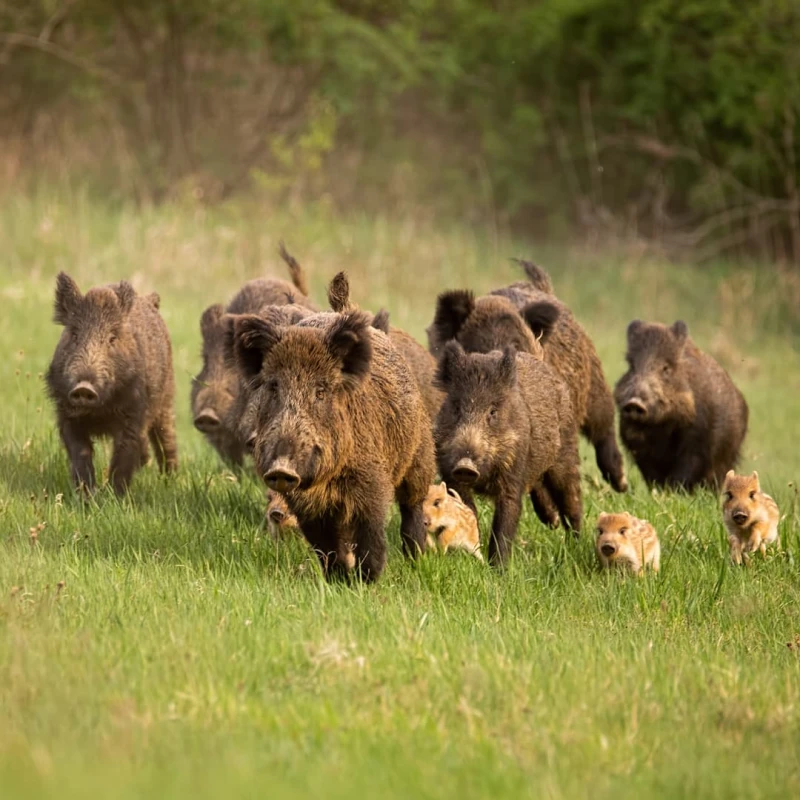
Invasive species pose a significant threat to Canada’s agriculture sector, affecting crops, livestock, and soil health. Pests, pathogens, and invasive plants compete with native species, damage crops, and lead to increased costs for pest management. Additionally, invasive species like wild pigs are particularly damaging to livestock operations and farmland. These disruptions put both food security and agricultural livelihoods at risk.
Programs like Squeal on Pigs empower farmers and communities to report sightings and help manage the spread of these destructive invaders.
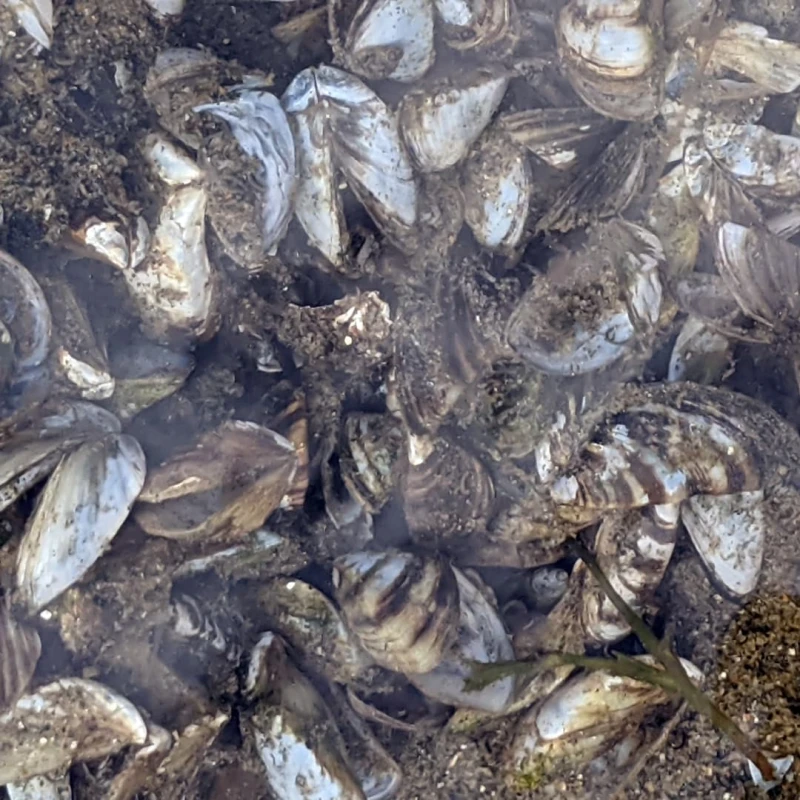
Zebra Mussels © erininmd via iNaturalist.org, used under CC BY 4.0.
Commercial Fishing
Invasive species disrupt aquatic ecosystems and pose a direct threat to commercial fishing operations. By outcompeting native fish for resources and altering habitats, species like zebra mussels and invasive fish species reduce the population of economically important fish. This has a ripple effect, impacting the livelihoods of fishers and entire coastal communities that depend on healthy, sustainable fisheries.
Community Scientists
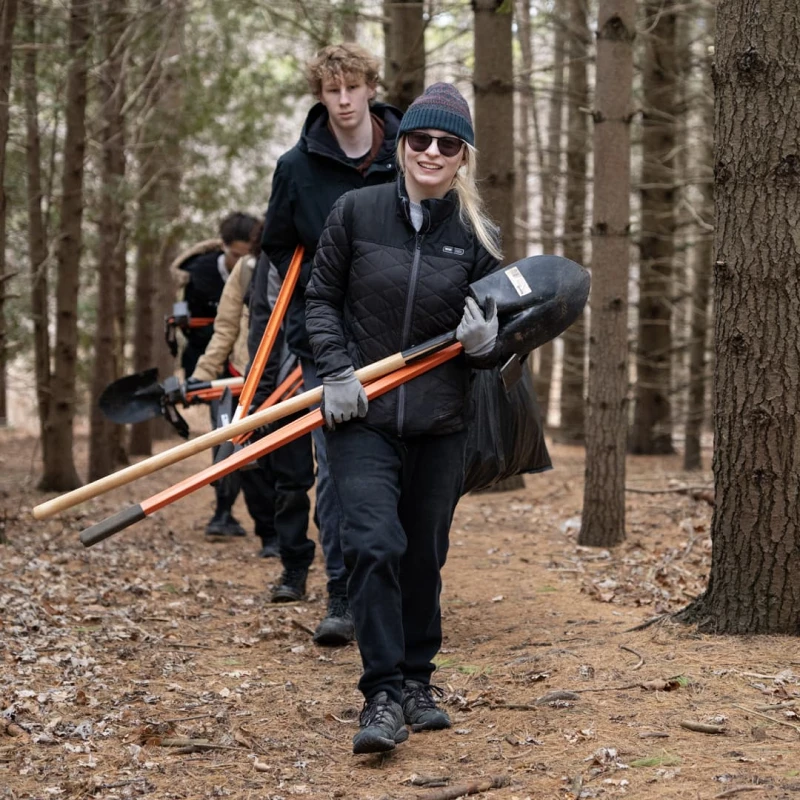
Community scientists are essential allies in the fight against invasive species. By actively participating in tracking and reporting invasive species through applications like iNaturalist, they contribute critical data that helps identify and manage infestations early. Community scientists also engage in hands-on volunteer projects that raise awareness and help stop the spread of invasive species. Many of these efforts are supported through Invasives Canada’s Take Action Programs, empowering individuals to make a meaningful impact in their own communities.
Forestry
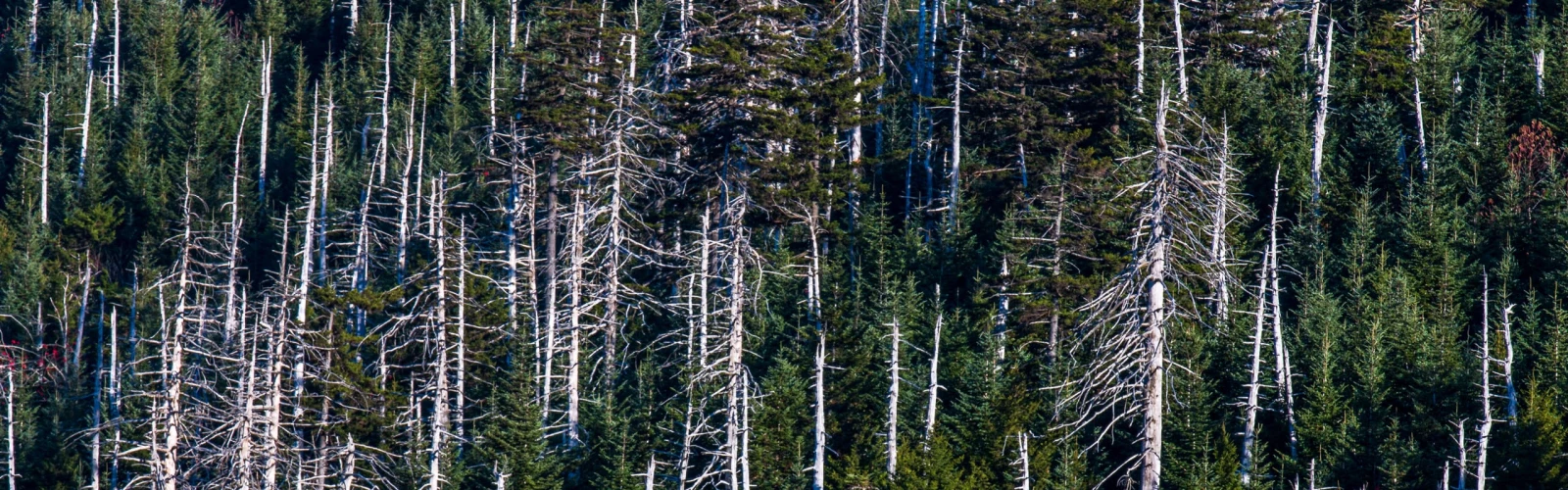
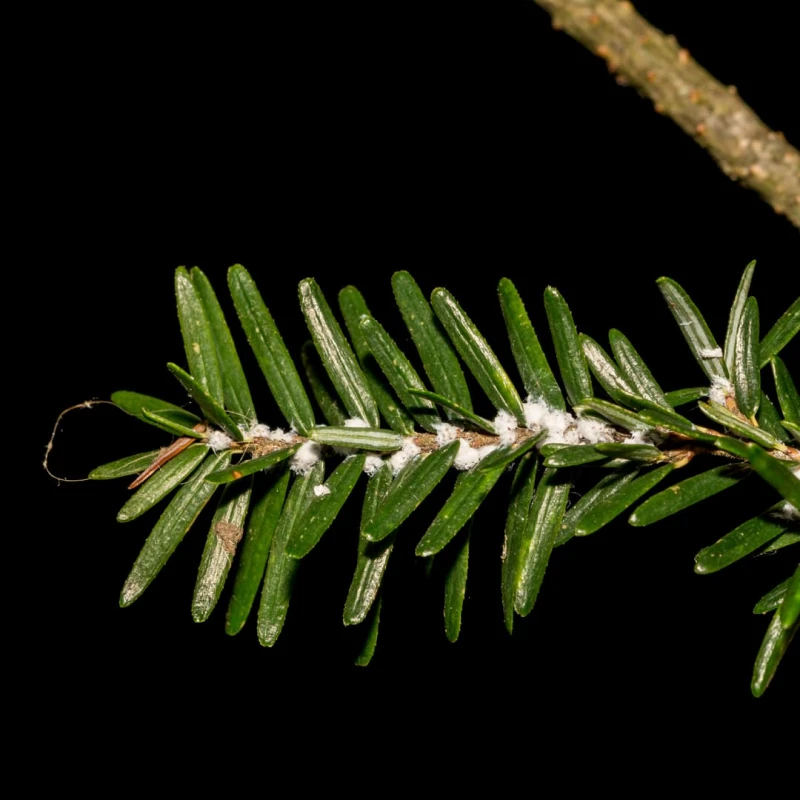
Canada’s forests are under constant threat from invasive insects, plants, and pathogens, such as the Emerald Ash Borer and Hemlock Woolly Adelgid. These invasive species weaken trees, degrade forest health, and increase the risk of forest fires and ecosystem collapse. The forestry industry, which is a cornerstone of the Canadian economy, faces major losses in timber production and increased management costs due to these invasive threats.
Fruit & Vegetable Growers
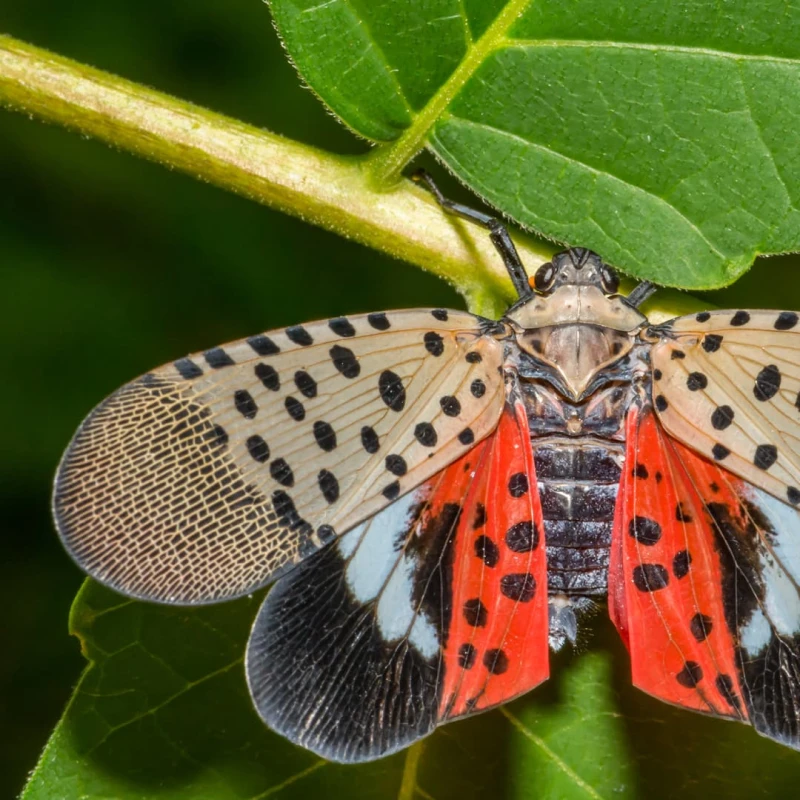
For fruit and vegetable growers, invasive species present a serious challenge. Pests like the Spotted Lanternfly and pathogens can devastate orchards, vineyards, and vegetable crops, resulting in reduced yields, poor quality produce, and significant financial losses. Growers must invest more in pest management and preventative measures, further impacting their bottom line.

Indigenous Nations, Governments, Businesses, and Communities
Invasive species deeply affect Indigenous Nations, governments, businesses, and communities, disrupting not only ecosystems but also traditional practices, cultural heritage, and economic livelihoods. Many Indigenous peoples rely on the land and water for subsistence, medicine, and cultural activities. Invasive species threaten these vital resources, damaging native species and altering habitats used for hunting, fishing, and gathering.
The economic impacts are equally significant, as invasive species disrupt fisheries, forestry, and other land-based businesses crucial to Indigenous economies. By protecting ecosystems from invasive species, we safeguard both the cultural and economic resilience of Indigenous communities and honor their role as stewards of the land.

Municipalities
Invasive species love cities. Construction, tourism, and trade create the perfect conditions for them to thrive—often unnoticed until it’s too late. Once established, they can disrupt local ecosystems, threaten public safety, damage infrastructure, and drive up costs.
Municipalities play a critical role in defending against these threats. Understanding the risks is the first step toward resilient, invasive-responsive communities.
Nurseries, Landscapers, & Arborists
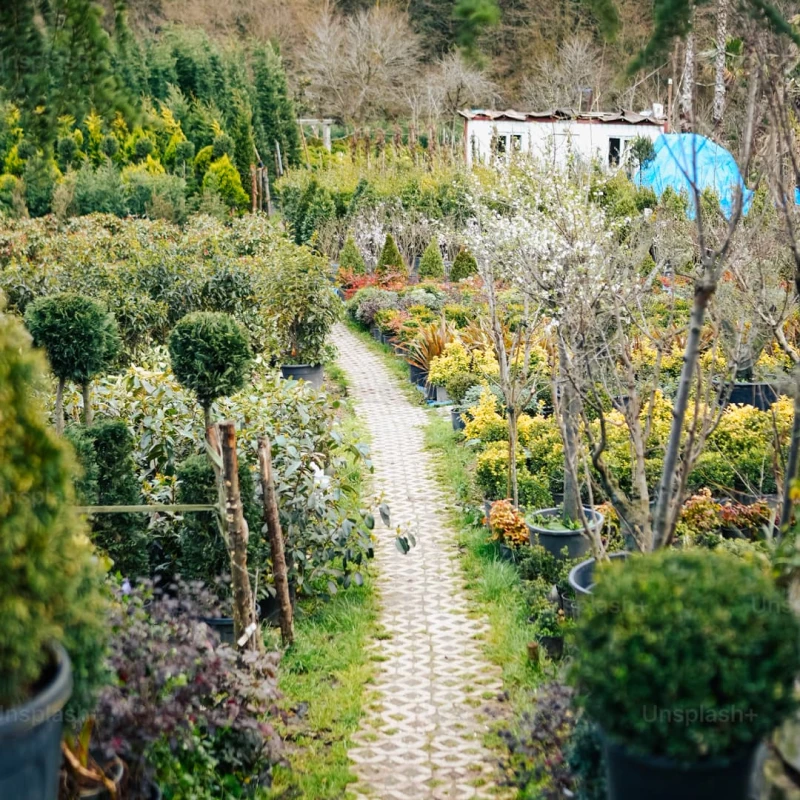
For nurseries, landscapers, and arborists, invasive species are a constant concern. Invasive plants and pests can quickly spread, threatening not only native species but also the horticultural trade. Professionals in these industries play a critical role in preventing the introduction and spread of invasive species by sourcing responsibly, educating customers, and practicing sustainable landscaping.
The Plant Wise program provides essential resources to help nurseries and gardeners select native plants over invasive species, supporting biodiversity while promoting sustainable gardening practices.
Home Gardeners & Retailers
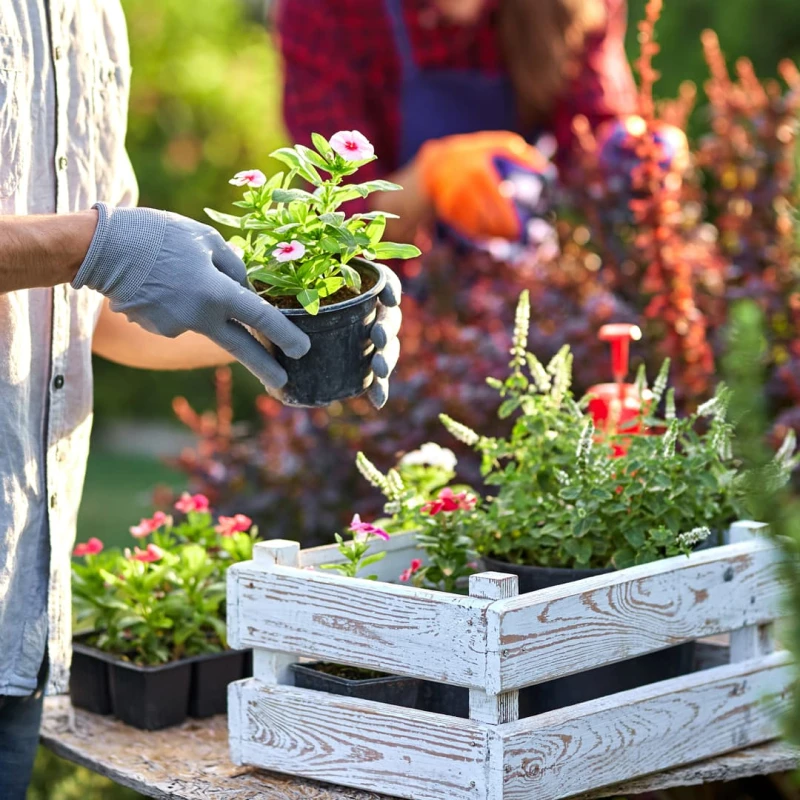
Invasive plants, often sold as ornamentals, can escape gardens and disrupt local ecosystems. By choosing native or non-invasive plants, gardeners help prevent the spread of invasive species while adding beauty to their gardens.
The Plant Wise program offers valuable tools to guide gardeners in making sustainable choices, including access to the regional “Grow Me Instead” guides published by Invasives Canada chapters. These guides highlight native alternatives to invasive species commonly sold in nurseries, making it easier for gardeners to select plants that thrive in their region without harming local ecosystems. You can also source plants responsibly by shopping at recognized Plant Wise retailers near you. Gardening responsibly supports local ecosystems and ensures your garden thrives sustainably.
Outdoor Enthusiasts
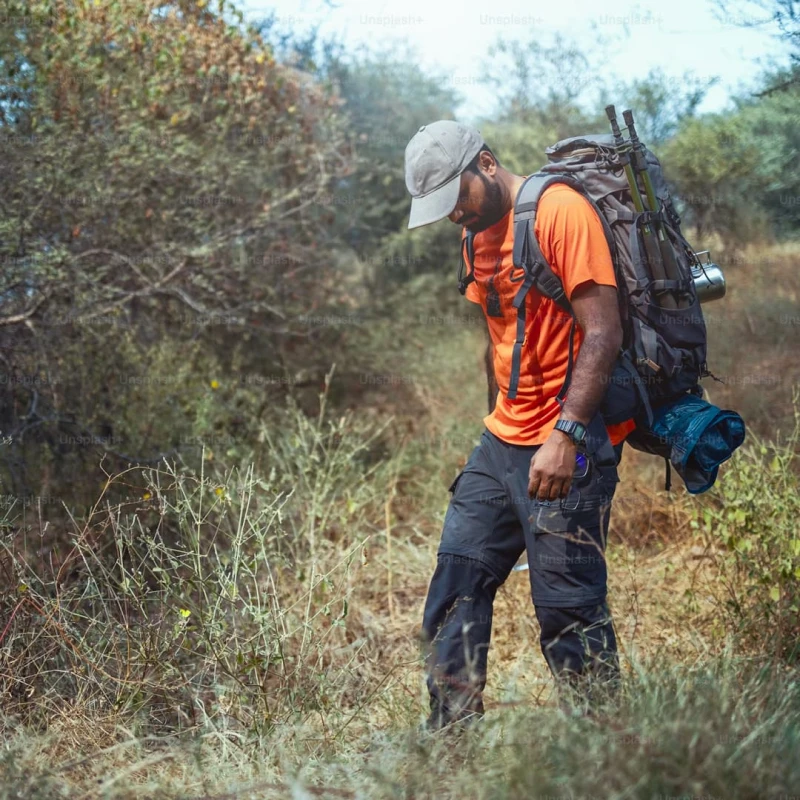
Invasive species threaten the enjoyment and health of Canada’s natural landscapes, impacting a wide range of outdoor activities. Hikers, hunters, recreational boaters, and cyclists all encounter the effects of invasive species like wild pigs, which damage habitats, and invasive plants that overrun trails and forests. Species such as zebra mussels clog waterways, while invasive plants degrade the beauty and accessibility of parks.


Invasives Canada’s Take-Action Programs, such as Play Clean Go for hikers and cyclists, Clean Drain Dry for boaters, and Squeal on Pigs for hunters, offer tailored solutions to prevent the spread of invasive species while enjoying outdoor activities.
Pet Stores & Pet Owners
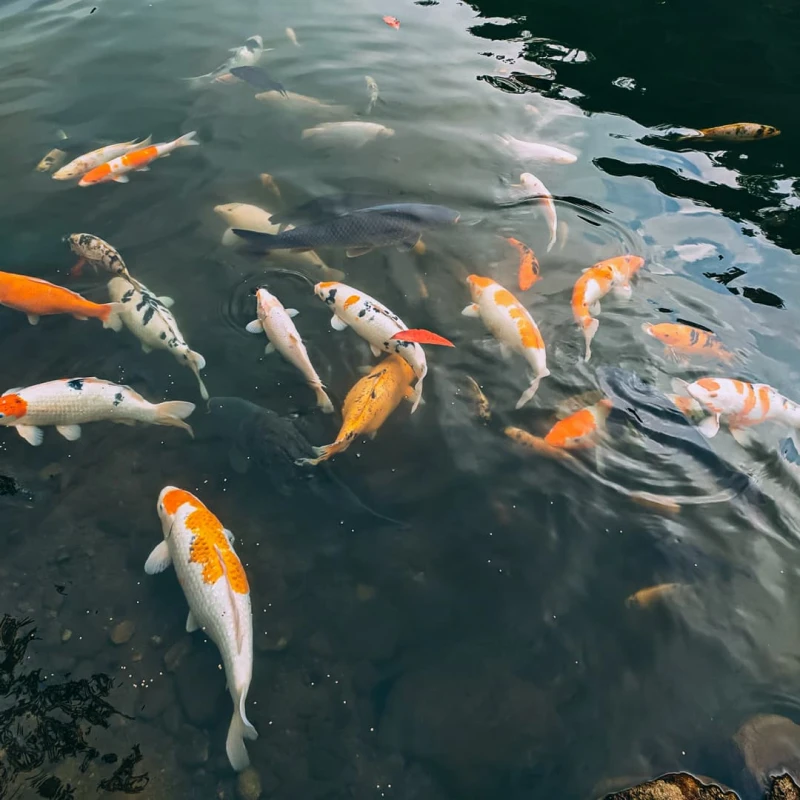
Pet stores are an important partner in the fight against invasive species. Many non-native pets, such as fish, reptiles, and plants sold for aquariums, can become invasive if released into the wild. These species can disrupt local ecosystems and outcompete native species.
The Don’t Let It Loose program educates pet owners and retailers on responsible pet ownership, providing alternatives to releasing unwanted pets into the wild and helping to prevent the spread of invasive species.