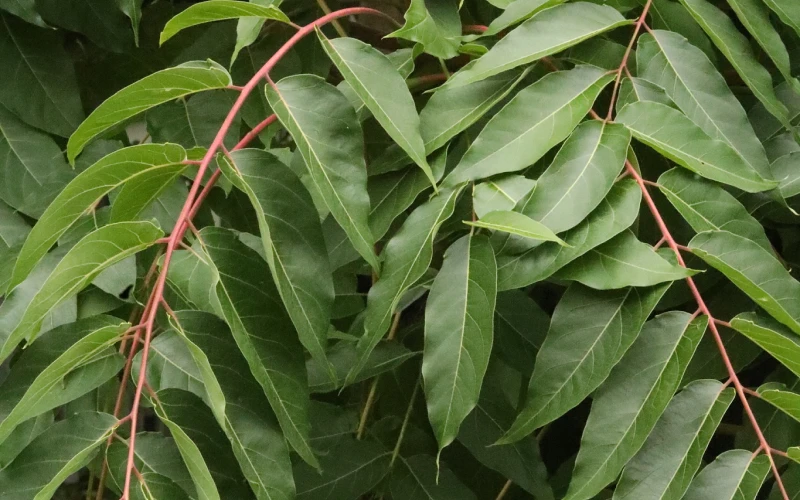
Terrestrial
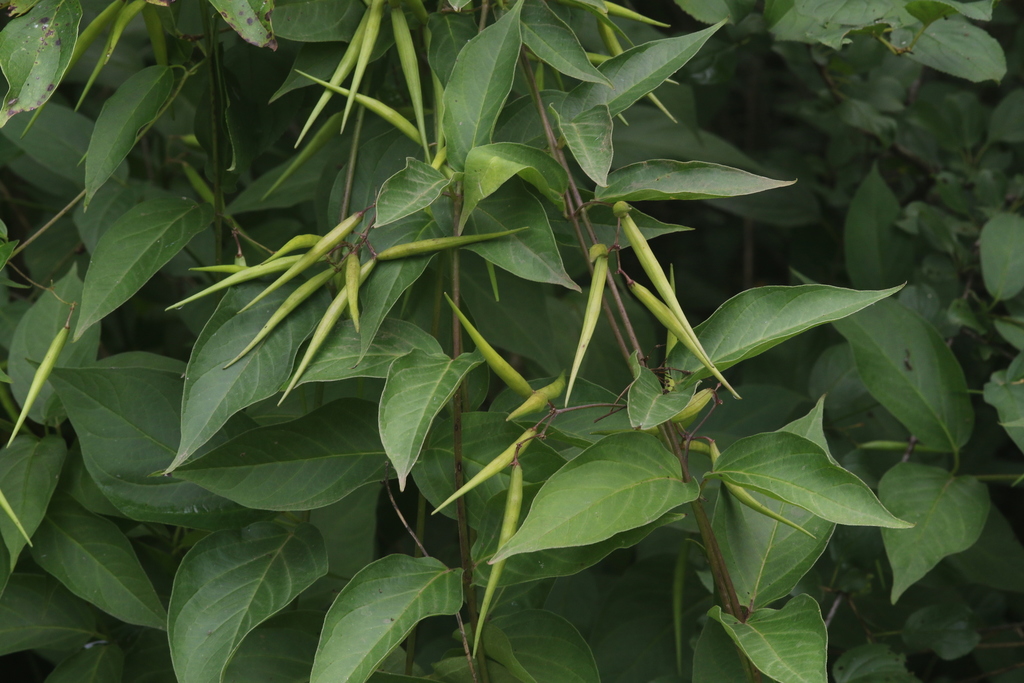
Dog-Strangling Vine
Dog-strangling vine (Vincetoxicum rossicum) is an invasive perennial vine native to eastern Europe that was introduced to North America as an ornamental plant in the late 1800s. It grows rapidly in a variety of habitats, forming dense mats that can outcompete native vegetation and alter wildlife habitat.
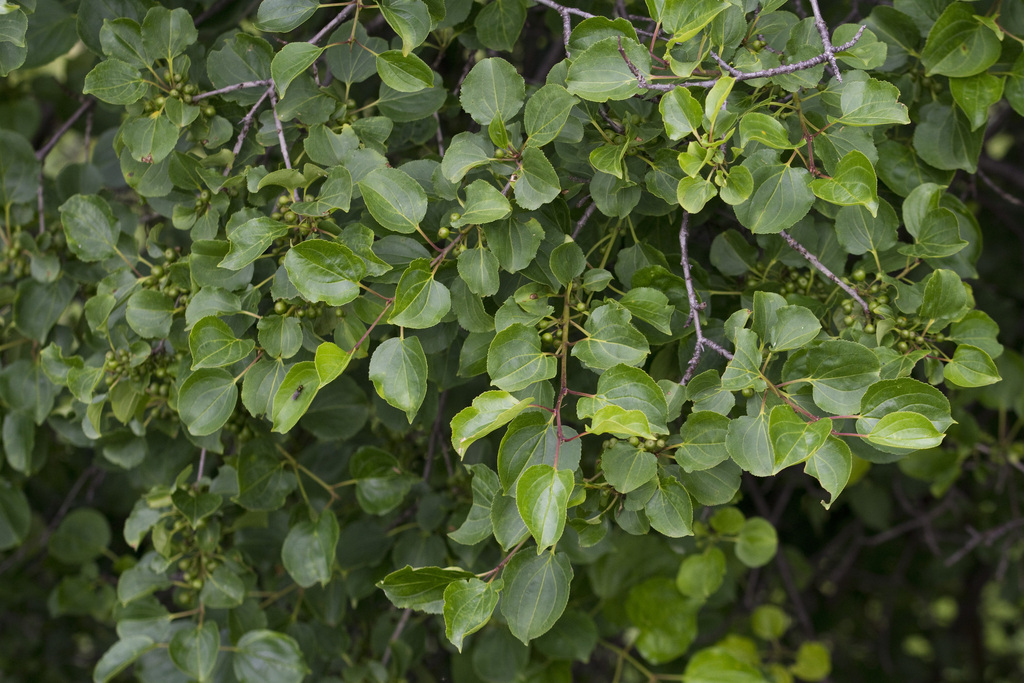
Common Buckthorn
Common buckthorn (Rhamnus cathartica) is an invasive shrub or small tree native to Europe and northwestern Asia that was introduced to North America in the 1800s. It thrives in a variety of habitats and can form dense thickets that crowd out native vegetation and prevent the natural regeneration of forests.
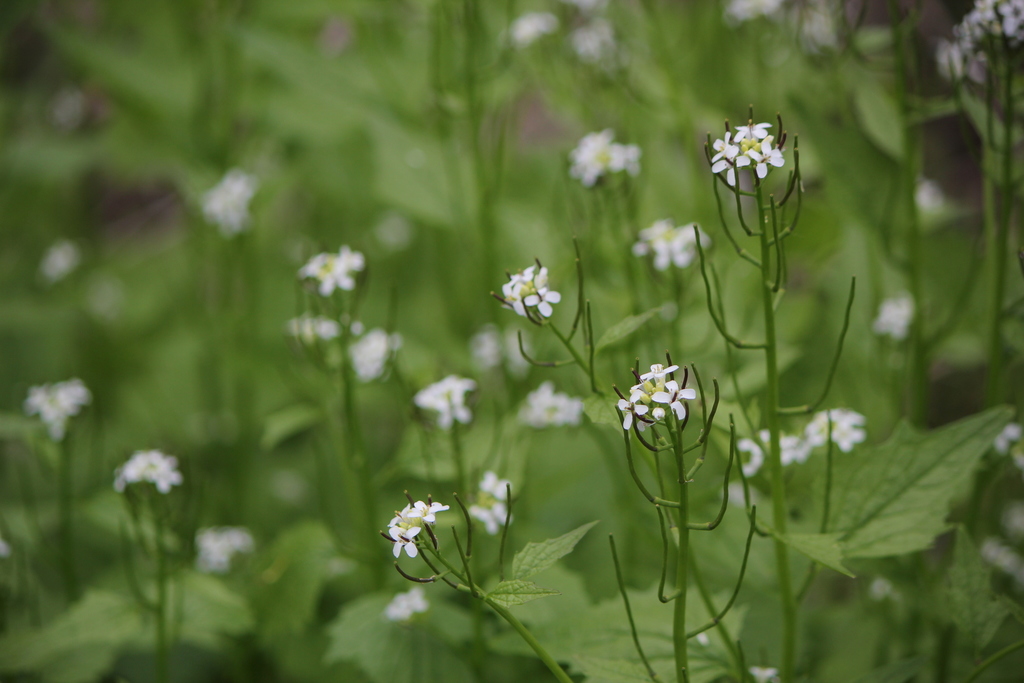
Garlic Mustard
Garlic mustard (Alliaria petiolata) is an invasive biennial plant native to Europe that was introduced to North America in the 1800s as an edible herb and medicinal plant. It can form dense populations in forests and other natural areas, where it crowds out native vegetation, including species at risk.
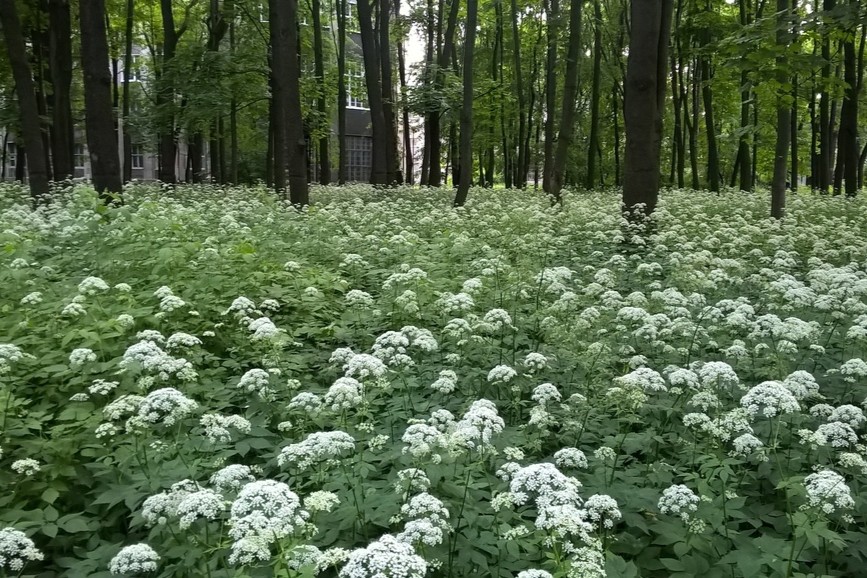
Goutweed
Goutweed (Aegopodium podagraria) is an invasive perennial plant native to Europe and northern Asia that was introduced to North America in the mid-1800s as an ornamental plant. Goutweed spreads rapidly through an extensive network of underground stems called rhizomes and can regrow from small rhizome fragments.
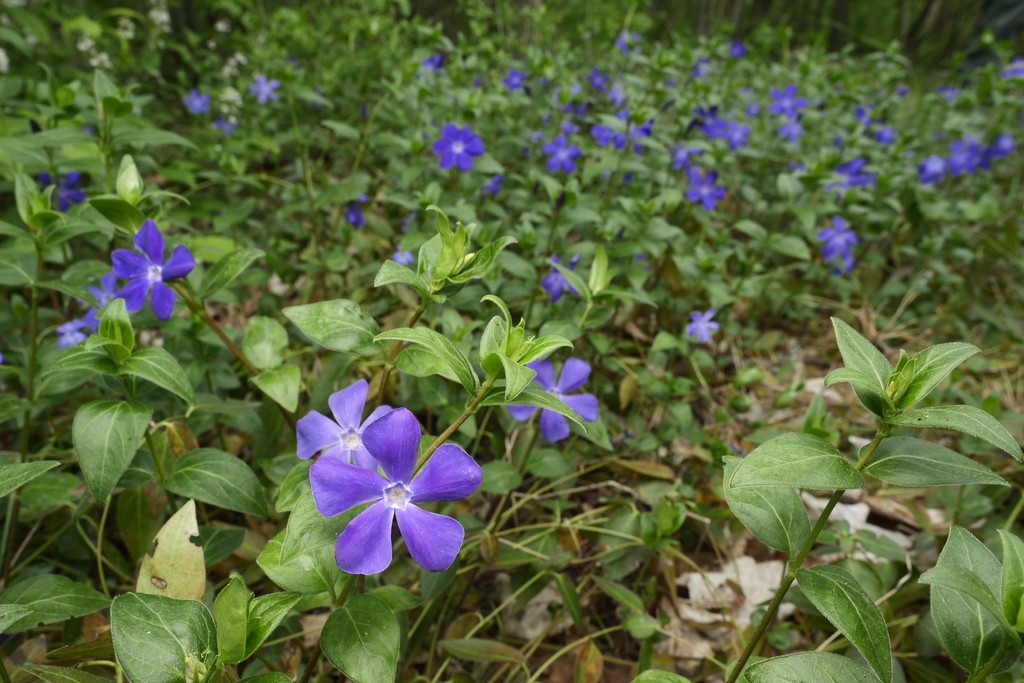
Periwinkle
Periwinkle (Vinca minor and Vinca major) is an invasive evergreen groundcover native to Eurasia, the Mediterranean region, and northern Africa that was introduced to North America as an ornamental plant. Still commonly planted in gardens, periwinkle can escape into natural areas where it spreads rapidly, forming dense mats.
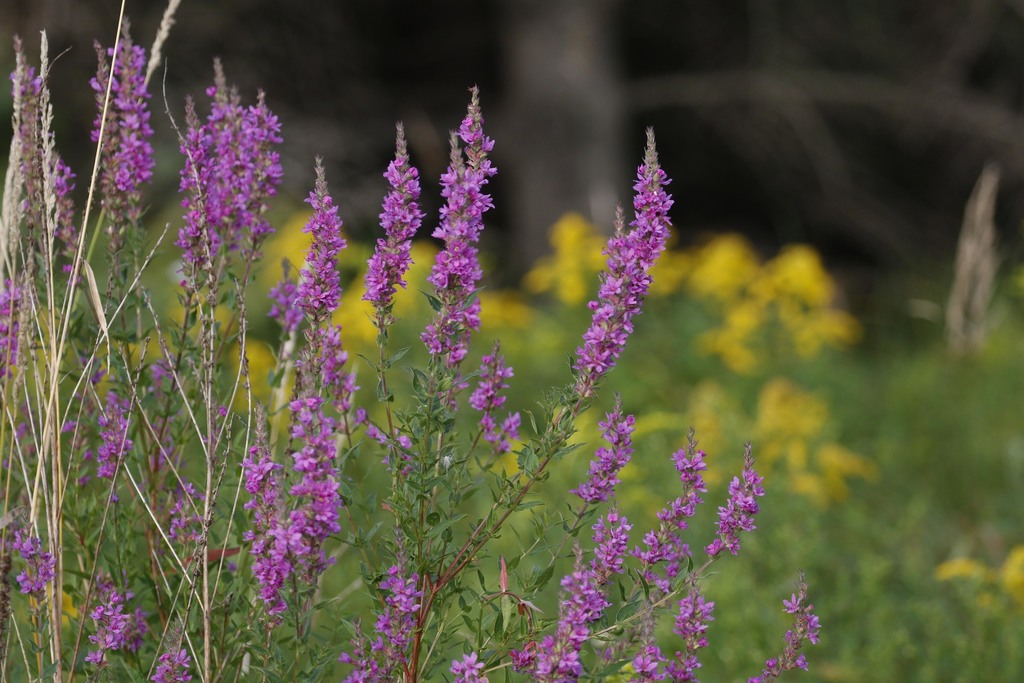
Purple Loosestrife
Purple loosestrife (Lythrum salicaria) is an invasive perennial plant native to Europe and Asia that was introduced to North America in the 1800s. Known for its showy spikes of purple flowers, it invades wetlands and other moist habitats where it can form dense stands that crowd out native vegetation.