
Environmental Connections
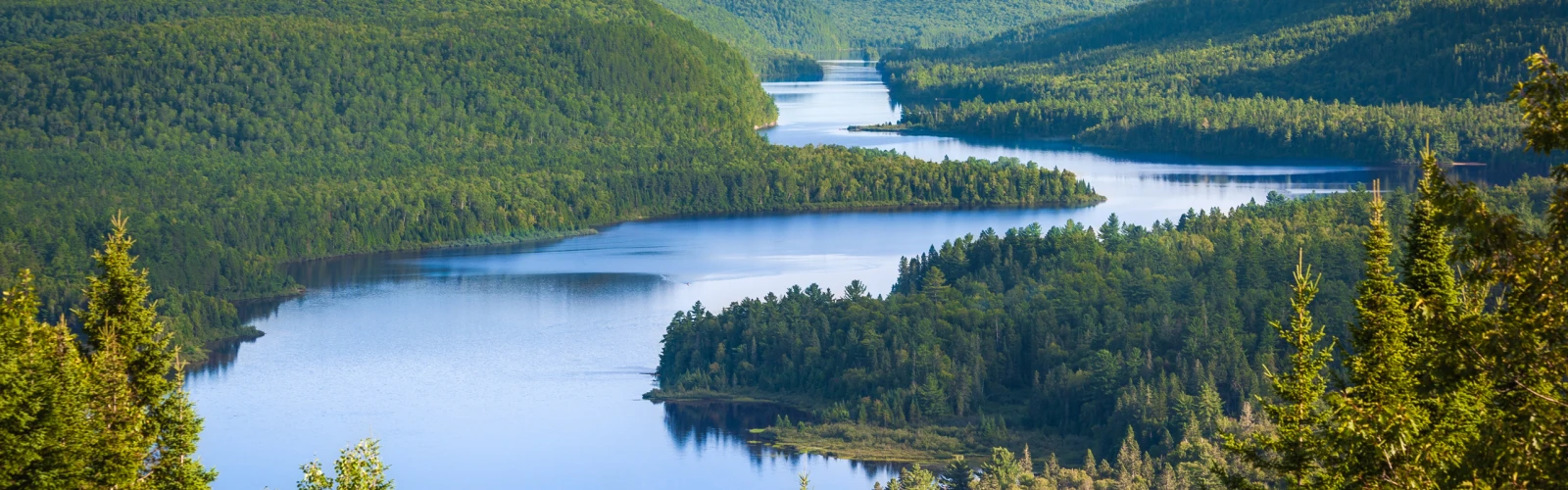
Indigenous Nations, governments, businesses, and communities maintain profound cultural, spiritual, and economic connections to the land and water. Invasive species disrupt traditional practices, harm natural resources, and threaten wildlife critical to Indigenous livelihoods and economies. These disruptions affect subsistence harvesting, medicinal plant gathering, and cultural ceremonies while also posing challenges for Indigenous-led businesses in forestry, fisheries, and tourism.
How Invasive Species Impact Indigenous Communities and Economies
© Léo-Guy de Repentigny via iNaturalist.org, used under CC BY 4.0.
Cultural Losses
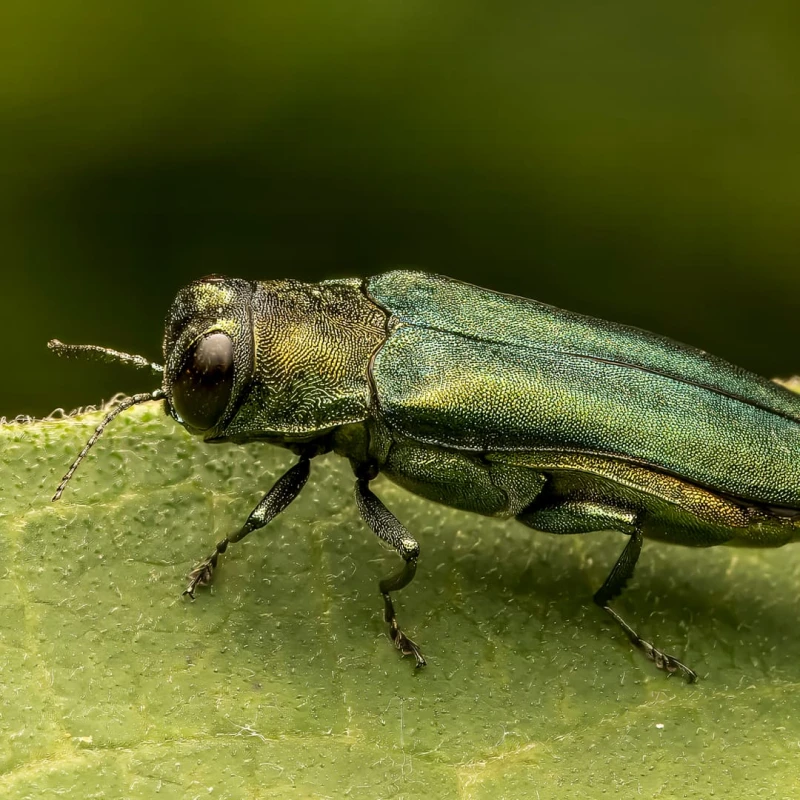
By the nature of their disruptive qualities, invasive species can impact cultural keystone species and places – plants, animals, and cultural sites that are foundational to Indigenous cultural identity and ways of being. For example, invasive plants can quickly spread through harvesting and medicine areas and affect the abundance of medicines and traditional foods; while invasive insects, like the Emerald Ash Borer and the Hemlock Woolly Adelgid damage trees used in traditional practices.
© Dan Andrews via iNaturalist.org, used under CC BY 4.0.
Economic Impacts
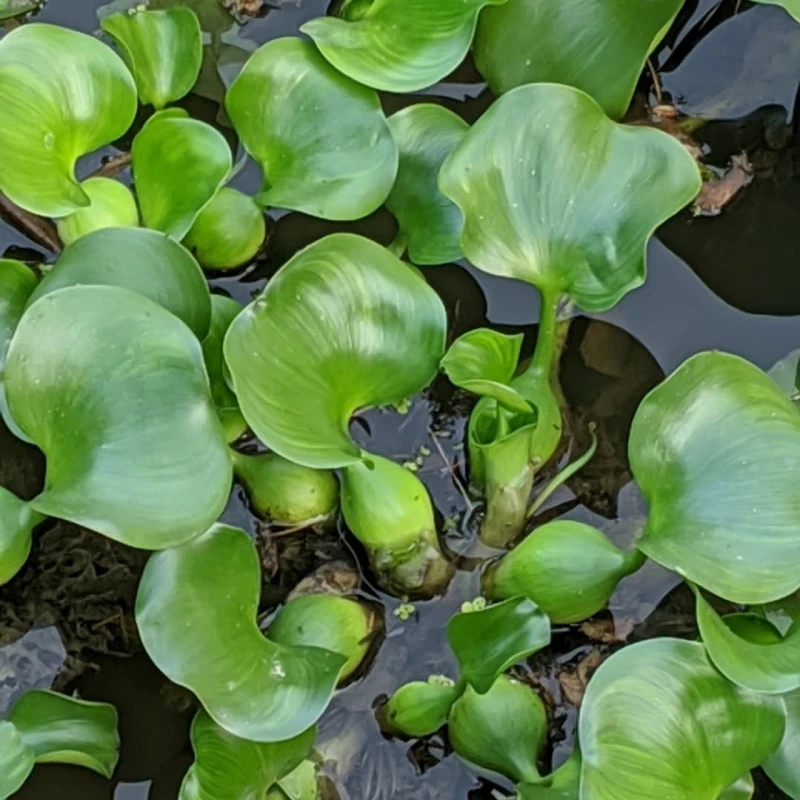
Indigenous-led businesses in forestry, commercial fishing, and tourism face economic losses due to invasive species. Invasive aquatic plants, like Water Hyacinth and Eurasian watermilfoil, degrade habitats and scenic landscapes crucial for ecotourism.
© carnifex via iNaturalist.org, used under CC BY 4.0.
Food Security
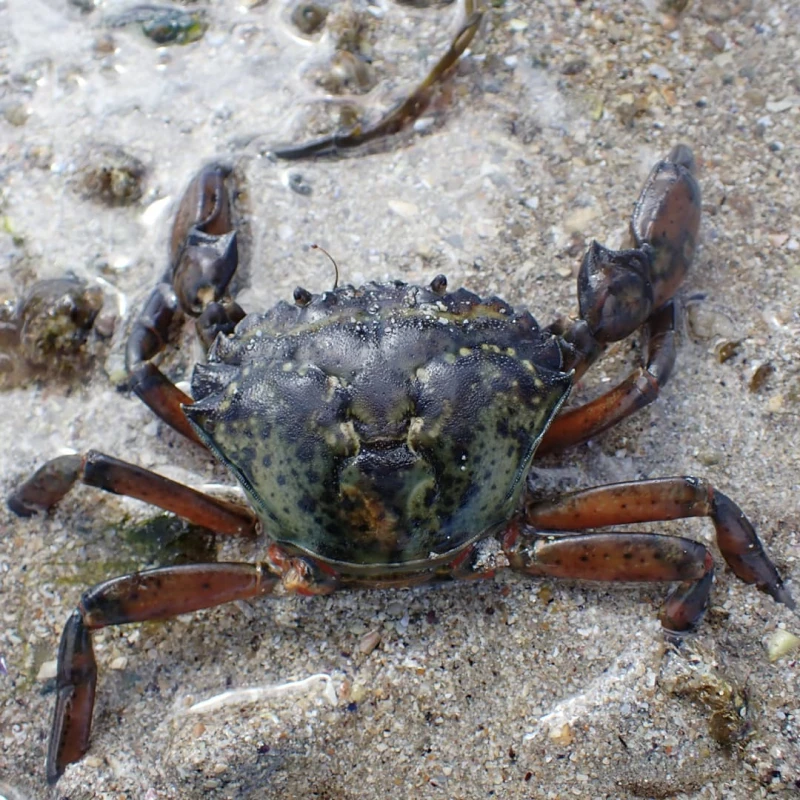
Green Crab is a prime example of an invasive species that impacts economic livelihoods and food security. They prey on shellfish and juvenile salmon, destroy eelgrass beds and compete against other important species such as Dungeness Crab.
Best Practices for Indigenous Nations, Communities, and Organizations
Engage in Monitoring and Reporting
Early detection helps protect your territories from invasive species. Include invasive species monitoring into existing stewardship practices such as land and water guardian programs.
Promote Awareness Through Indigenous Knowledge
Share stories and teachings about culturally significant species and how invasive species are impacting them. Advocate for invasive species policies and programs that safeguard livelihoods and educate your community. Integrate traditional knowledge into invasive species management practices and create Indigenous-led solutions to emerging invasive species issues on your territories.
Collaborate on Invasive Species Management and Restoration Projects
Partner with organizations like the Canadian Council on Invasive Species to implement invasive species management programs and restore habitats degraded by invasive species.
Indigenous Leadership Spotlight:
Chain Pickerel Project
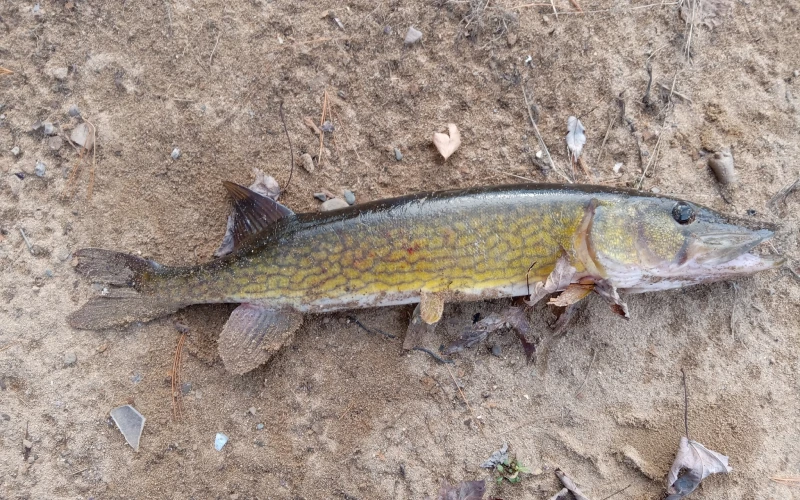
Introduced in 1945, chain pickerel have spread across Nova Scotia, disrupting native fish populations like Atlantic salmon, American eel, and striped bass—species central to Mi’kmaq food systems and cultural traditions.
The Confederacy of Mainland Mi’kmaq’s Chain Pickerel Project promotes public education, citizen science, and sustainable harvesting to equip Mi’kmaq communities with tools to manage the spread of this invasive predator. From education-focused fishing days to the creation of a Chain Pickerel Cookbook, this initiative empowers community members to turn invasive species management into meaningful action.
Take Action Today
Invasive species threaten the bio-cultural and economic foundations of Indigenous communities. By integrating traditional knowledge, monitoring ecosystems, and collaborating with partners, Indigenous Nations can continue to lead in protecting the land and water for future generations.
Want to learn more and gain access to invasive species management programs and resources, contact us