
Why It Matters
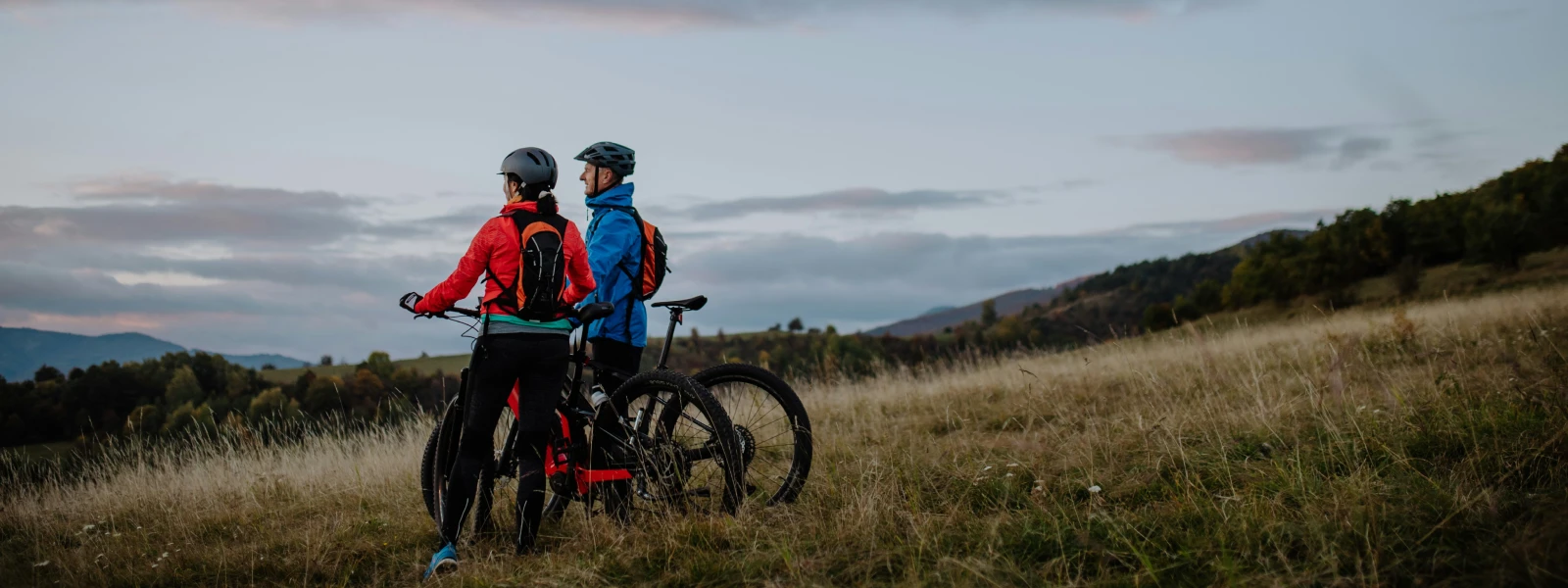
Invasive species can significantly harm our economy, environment, and human health. Everyone can make a difference in preventing new invasions and stopping the spread of existing ones. While you explore Canada’s great outdoors, practicing these best methods to protect natural habitats and biodiversity is essential.
To safeguard Canada’s natural environments, clean all gear, shoes, and equipment before moving between different locations and adhere to guidelines to prevent the spread of invasive species.
Examples of Invasive Species in Canada that can be spread through your favourite outdoor activities:
Giant Hogweed:
This plant spreads through seeds that can attach to shoes, clothing, and gear during hikes or bike trips. It threatens local ecosystems and can cause skin burns upon contact.
Japanese Knotweed:
This aggressive invader propagates through root fragments. Hikers or bikers can unknowingly transport pieces of this plant on their footwear or equipment, leading to new infestations.
Emerald Ash Borer:
This beetle targets ash trees and is commonly spread through the movement of firewood. Campers transporting firewood from one area to another can inadvertently introduce this pest to non-infested regions.
Spotted Knapweed:
This invasive plant reproduces rapidly and can spread via seeds that cling to clothes, boots, bike tires, or camping gear. It outcompetes native plants and disrupts ecosystems.
Purple Loosestrife:
This wetland plant disperses seeds in water and soil, and kayakers or canoers can unintentionally carry seeds or plant fragments while paddling through infested areas.
Invasive European Buckthorn:
This shrub spreads through berries eaten and later excreted by birds. Hikers may unknowingly carry seeds on their shoes and gear, contributing to its spread.
Garlic Mustard:
This herb quickly spreads through its seeds, which can stick to shoes, clothing, and gear. Hiking and biking in infested areas increases the risk of spreading this invader across various trails and parks.
To help protect Canada’s natural habitats, it is crucial to clean all gear, shoes, and equipment before moving between locations and to follow guidelines to prevent the spread of invasive species.
Play Clean Go Steps
Practice these steps wherever you go hiking, biking, climbing, camping, while walking your dog, horseback riding, using an all-terrain vehicle or any of your favourite outdoor activities.
Impact of Invasive Species from Outdoor Fun on Indigenous Peoples and Their Livelihoods
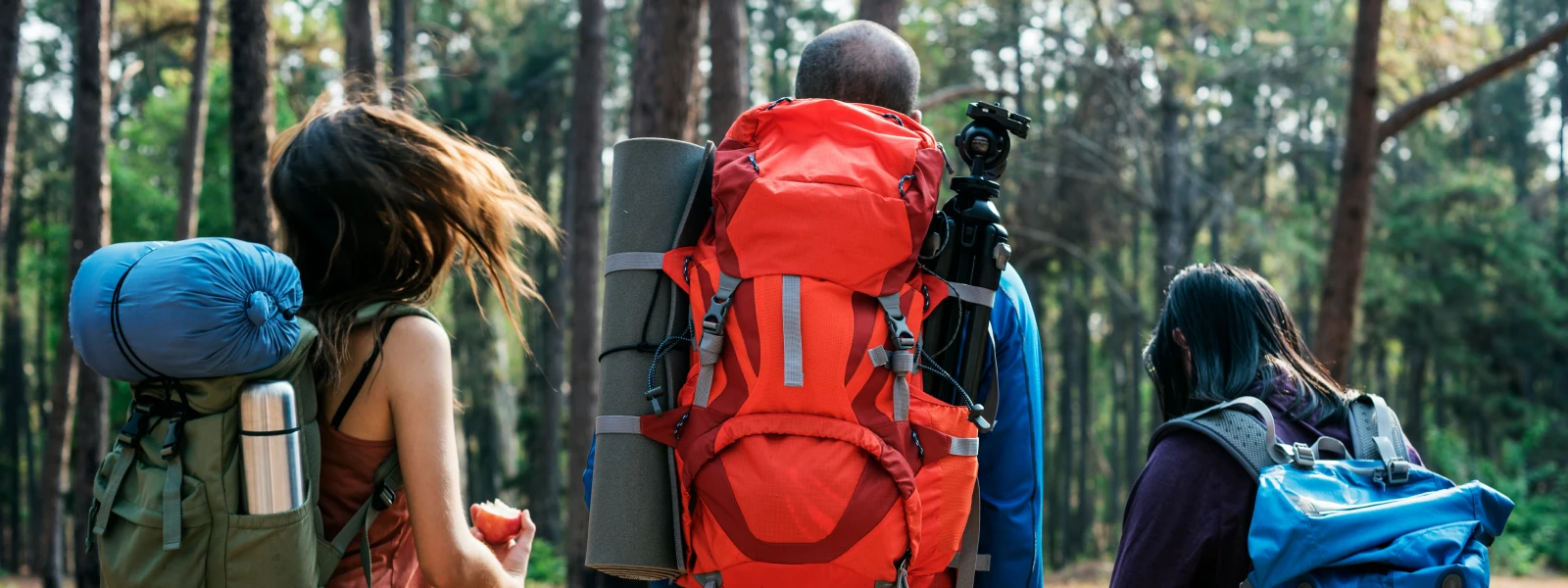
Hey there, nature lovers! We all adore outdoor activities like hiking, fishing, and camping, right? They bring us joy and help us unwind. But did you know these fun activities can sometimes lead to unintended consequences, like spreading invasive species? This impacts Indigenous peoples in Canada, whose territories we enjoy for recreation. Confederacy of Mainland Mi’kmaq: Terrestrial Invasive Species Initiatives Spotlight
The Confederacy of Mainland Mi’kmaq is a Tribal Council dedicated to supporting the self-determined priorities of its eight member First Nations. Through the Mi’kmaw Conservation Group (MCG), the Confederacy provides policy, program, and capacity-building support to help restore Mi’kmaq law and promote respect for lands and waters.
An upcoming spotlight will highlight MCG’s terrestrial invasive species initiatives, focusing on the impacts of forest insects such as hemlock woolly adelgid and emerald ash borer, along with efforts to address these threats.
By understanding how our love for the outdoors connects with ecosystem health and Indigenous peoples’ rights, we can collaborate to create better conservation strategies. Involving Indigenous knowledge and practices is key to preserving biodiversity and supporting Indigenous ways of life! Let’s team up for a healthier planet!
Make a Difference. Pledge to Play Clean Go!
Canada’s trails, forests, and parks need your help. Invasive species often spread through everyday outdoor activities—but simple steps can make a big impact.
By pledging to Play Clean Go, you join a growing movement across North America committed to protecting the places we love. Taking the pledge helps turn awareness into habit—and habit into lasting change.
Resources
Helping people enjoy the outdoors while preventing the spread of invasive species is easier when you have the right tools. Whether you’re a hiker, camper, trail user, or land manager, our Play Clean Go resources make it simple to spread awareness and take action.