
How Invasive Species Impact Municipalities
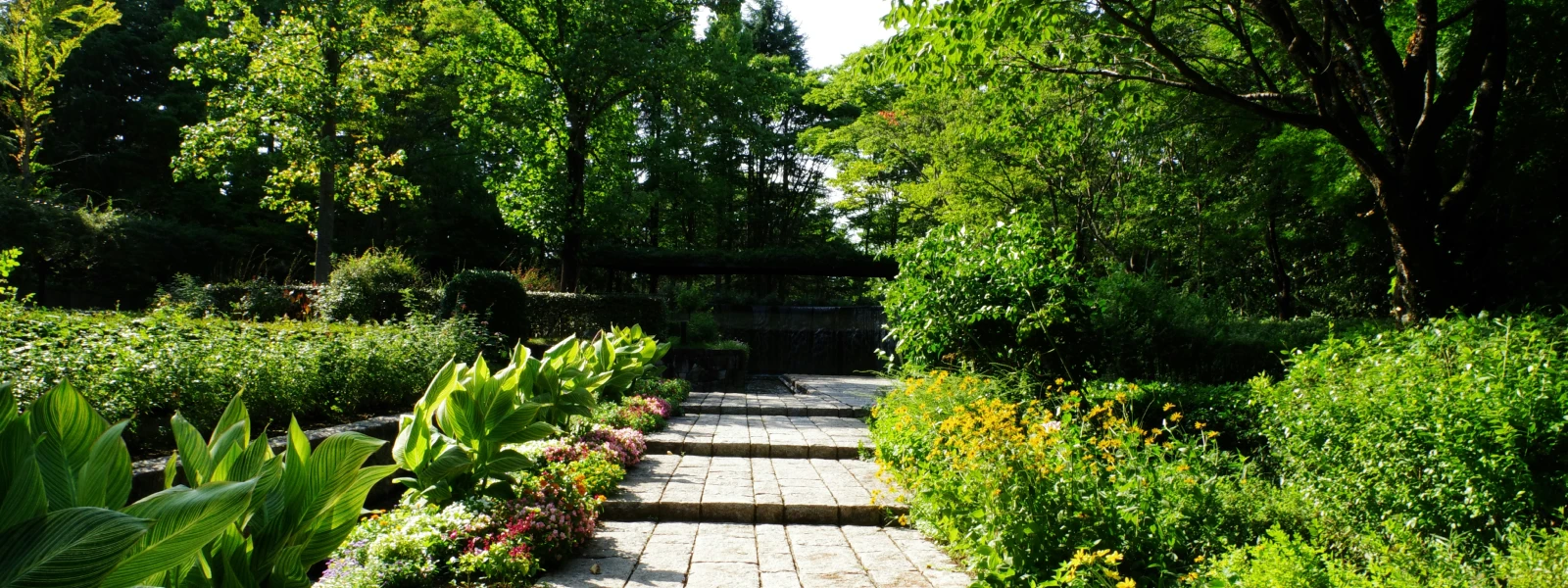
Natural assets like forests and wetlands provide a multitude of services to municipalities and help them mitigate the risks of climate change in their communities. Invasive species threaten natural assets in various ways and pose additional risks to gray infrastructure and human health.
© Loïc Mathieu, some rights reserved (CC BY)
Urban Tree Canopy
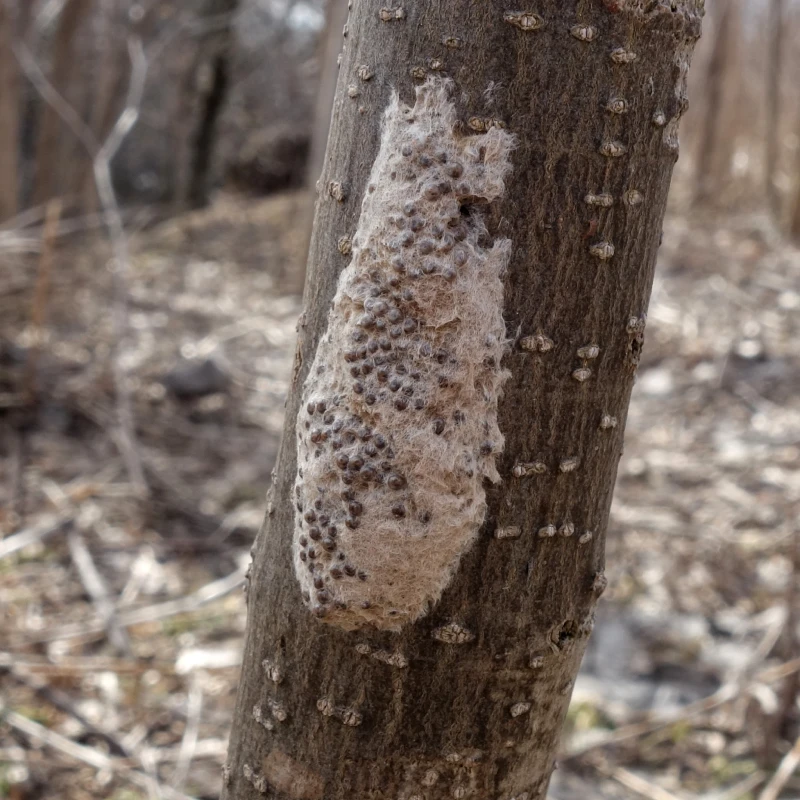
Maintaining a healthy urban tree canopy can help buffer climate extremes, reduce the risks of the urban heat island effect, and increase water infiltration during extreme weather events. Invasive insects like the Spongy Moth and pathogens like Oak Wilt can damage urban trees and can be difficult and costly to manage once established.
© Michelle Norcéide, some rights reserved (CC BY)
Water infrastructure
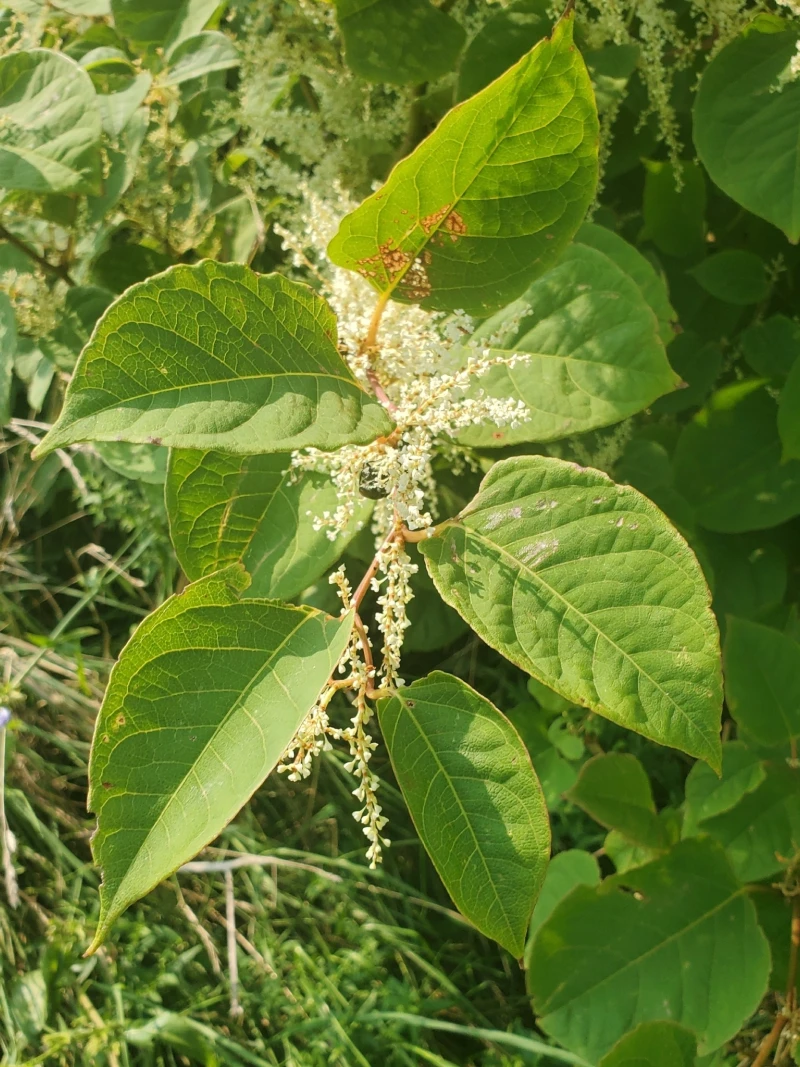
Effective stormwater infrastructure helps to mitigate flood and erosion risks. Invasive plants like Japanese Knotweed or Giant Hogweed are known to cause streambank erosion which can increase water turbidity and the downstream costs of water filtration. Zebra Mussels also increase maintenance costs for municipal water treatment by clogging water intake systems and pipes.
© Duncan Noble, some rights reserved (CC BY)
Parks and transportation
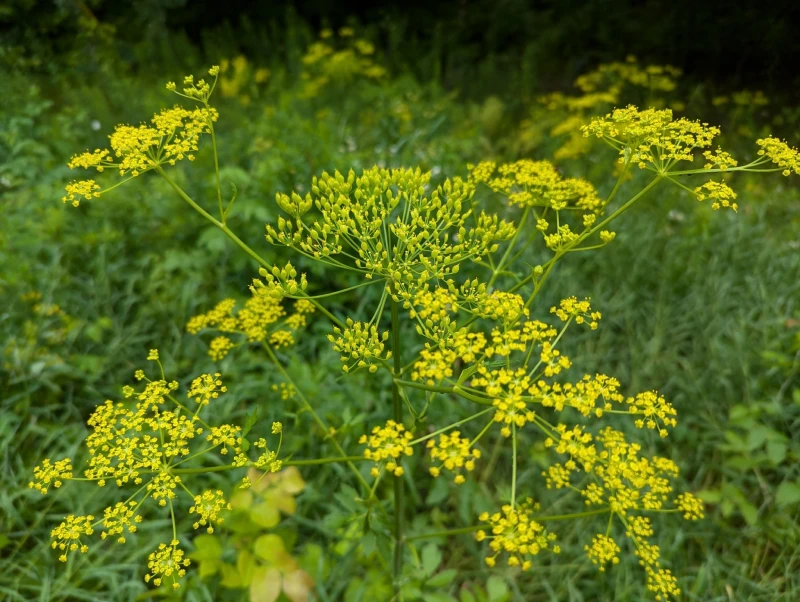
Public parks and active transportation systems provide numerous health benefits to residents. Invasive species reduce the quality of these places by harming biodiversity. Species like Dog-Strangling Vine form dense mats that interfere with forest regeneration and recreational activities. Similarly, Phragmites can reduce the property value of shorelines by reducing recreational opportunities and pose a health and safety hazard by reducing visibility alongside roads. Other invasive plants like Giant Hogweed and Wild Parsnip are public health hazards that can cause severe skin burns and increase liabilities for municipalities.
Parks are important places of gathering that maintain social cohesion. In many municipalities, parks are also places for traditional harvesting practices by Indigenous Peoples. Invasive species pose unique risks to cultural assets and should be managed in accordance with Indigenous Law.
© Marcel_Pepin, some rights reserved (CC BY)
Fire Hazards
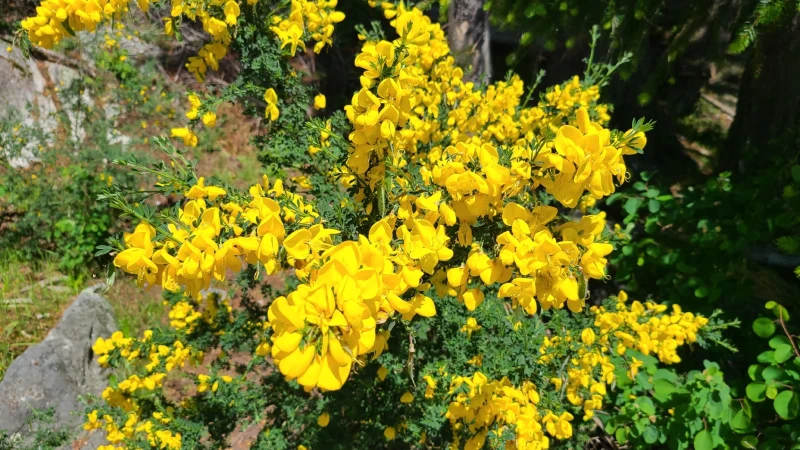
In the wake of devastating forest fires addressing invasive species risk is imperative to enhancing community safety. Invasive grasses and shrubs such as Brome, Phragmites and Scotch Broom act as a volatile flash fuel that can greatly increase the risks and intensity of fires in and around municipalities.
Best Practices for Municipalities
Municipalities play a critical role in protecting natural heritage features in the city from the harmful impacts of invasive species. Invasive species pose complex risks that are often under-accounted for in community development plans and climate resilience strategies. Municipalities should take a long-term collaborative approach to invasive species management to address municipal risks and maintain community well-being.
Conduct a Risk Assessment
Identify invasive species risks by conducting a spatial analysis and inventory of invasive species in your municipality. Identify rights holders and key stakeholders that can contribute to the assessment of these risks.
Co-develop Invasive Species Management Plans
Invasive species management plans inform municipalities’ approach to addressing invasive species risks. By co-developing a strategy with rights holders and stakeholders you will ensure that your strategy addresses key equity considerations and maintains a reconciliatory approach. You may also choose to consult external partners to bring additional expertise in crafting your invasive species management approach.
Ongoing Monitoring and Maintenance
To be effective, invasive species management requires ongoing maintenance and monitoring to control invasive species risks. To increase cost efficiency, allocate funds toward ongoing staff training on detection and management, as well as public awareness campaigns on preventing the spread.
Invite community members, groups, and community-serving organizations into your invasive species management activities. Behavioural change campaigns like Play Clean Go, Clean Drain Dry and Burn Local Buy Local are effective in reducing the spread of invasive species. You can also engage volunteers in your EDRR (Early Detection Rapid Response) system with appropriate training and reporting mechanisms.
Take Action Today
There is a growing number of municipalities that are recognizing the value of their natural assets in improving their climate resilience and maintaining community well-being. Ensure that invasive species risks are addressed by co-developing an invasive species management strategy for your municipality.
Want to get started?